
Practical homeowner guide
No Water in the House: Causes and Safe First Checks
Use a step-by-step approach to determine whether the problem affects one fixture, the whole home, the utility supply, or a private well.
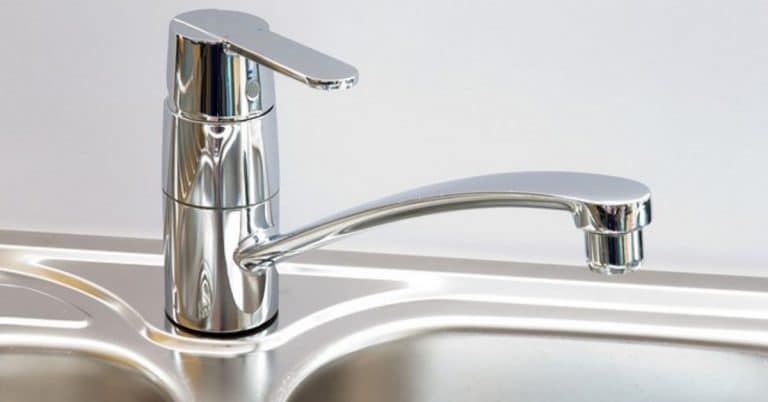
Check whether both hot and cold water are affected and whether the problem occurs at one fixture or throughout the property. This distinction quickly separates a local valve or aerator issue from a broader supply problem.
Check visible shutoffs and notices
Look for a closed main valve, recent utility work, neighborhood outages, unpaid-service notices, or active leaks. Do not force a corroded or unfamiliar valve.
Private well possibilities
Well homes may lose water because of power loss, pressure-switch faults, pump failure, an empty pressure tank, low groundwater, or broken piping. Electrical and pressure components require qualified service.
Freezing is uncommon but leaks are not
South Florida rarely experiences prolonged pipe freezing, but underground breaks, failed supply lines, irrigation damage, and concealed leaks can interrupt service or reduce pressure.
Hot water only
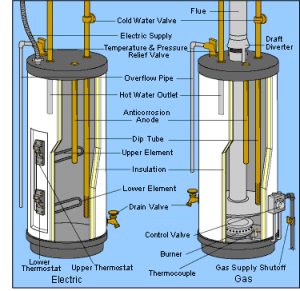
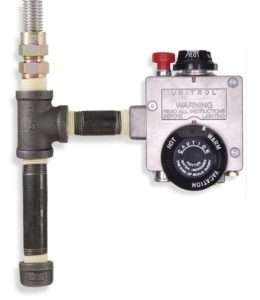
If cold water flows but hot water does not, inspect accessible water-heater valves and look for leakage without opening energized equipment. A plumber or appropriate technician should diagnose internal faults.
Respond to active leakage
If water is escaping, shut off the supply only when the valve is known and safe to operate, protect finishes, and contact a plumber. Utility-side problems should be reported to the provider.
Frequently asked questions
Can a home inspection confirm every hidden condition?
No. A standard inspection is visual and non-invasive. Accessible evidence is documented, and further specialist evaluation is recommended when needed.
Should repairs be completed before closing?
Timing depends on the condition, contract, risk, and qualified estimates. Safety and active water concerns deserve prompt attention.
Related resources