
Practical homeowner guide
Tree Removal Cost in South Florida: Permits, Risk, and Planning
Learn what drives tree-removal pricing, when local permits may apply, and how roots, wind exposure, and nearby structures affect the work.
Tree removal is not a one-price project. Height, trunk diameter, condition, access, utility conflicts, permit requirements, and disposal can all change the scope. In South Florida, wind exposure and proximity to roofs, pools, seawalls, and neighboring property deserve particular attention.
What drives tree-removal cost
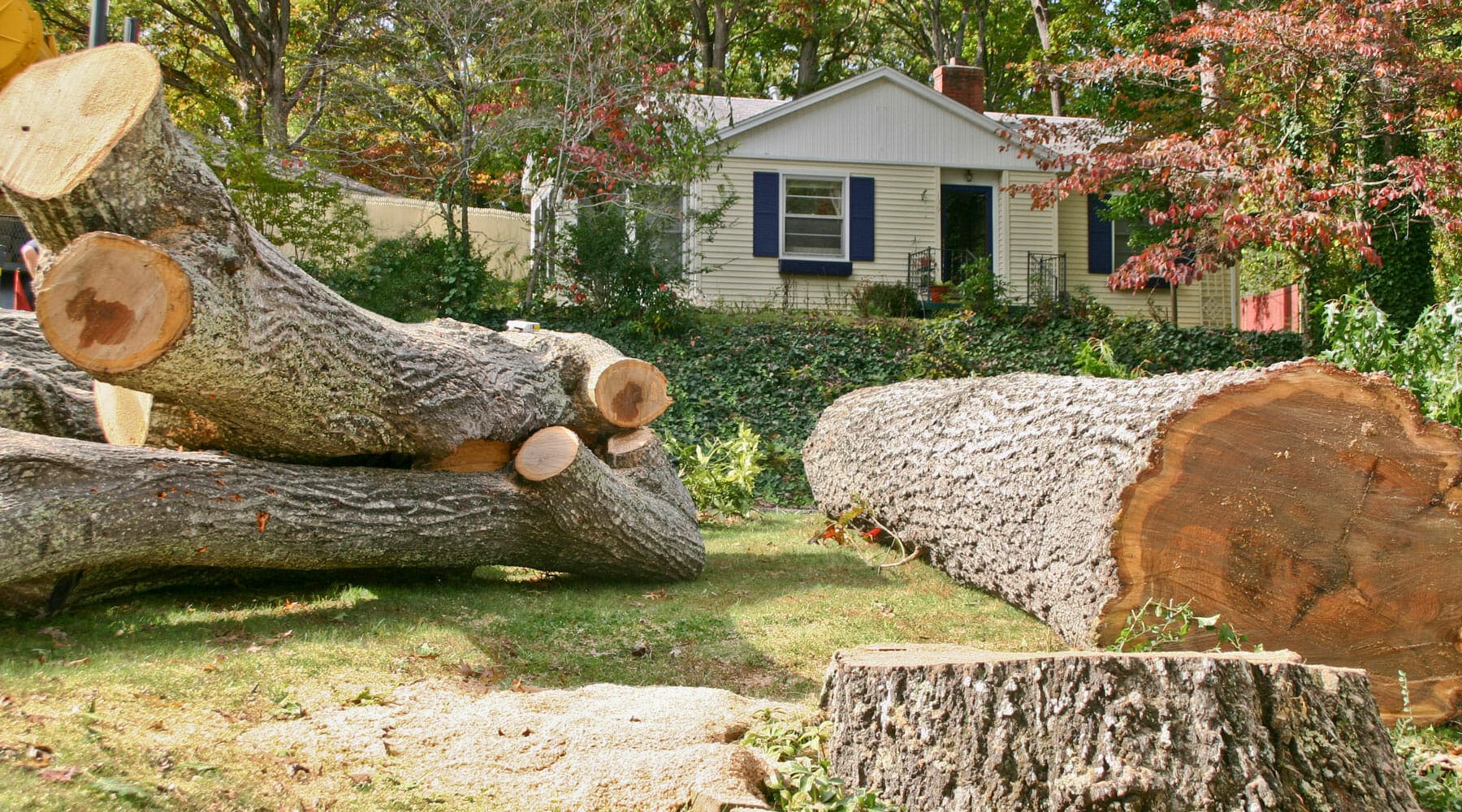
A small tree in an open yard is different from a mature tree leaning over a tile roof. Pricing commonly reflects crew size, climbing or crane work, traffic control, haul-away volume, stump grinding, and the difficulty of protecting nearby improvements.
Condition and failure risk
Dead limbs, cavities, root damage, fungal growth, soil movement, and a pronounced lean can increase risk. A qualified arborist can evaluate tree health and recommend pruning, monitoring, or removal. A home inspection may document visible concerns, but it is not a tree-risk assessment.
Permits and protected trees
Rules are local. Miami-Dade and individual cities may regulate removal, relocation, pruning, and replacement. Broward and Palm Beach municipalities also have their own procedures. Confirm the property address, tree species, trunk size, and jurisdiction before signing a contract.
Roots near the home
Large roots can interact with walkways, driveways, retaining walls, drainage, and underground utilities. Roots do not automatically damage a sound foundation, but cutting major roots can destabilize a tree. Coordinate tree and construction decisions with qualified professionals.
Questions to ask a contractor
Ask for licensing and insurance information, the exact trees included, permit responsibility, protection for the roof and landscaping, stump depth, debris removal, and how unexpected conditions will be priced. Utility locating and safe clearance from overhead lines should be addressed before work begins.
What buyers should document
Buyers should note large trees close to structures, branches over the roof, lifting at flatwork, blocked drainage, and prior removal evidence. Obtain arborist findings and permit records when a tree presents a material concern.
Frequently asked questions
Does a home inspector determine whether a tree is safe?
No. Inspectors may report visible conditions affecting the property, but an arborist evaluates tree health and failure risk.
Is stump grinding normally included?
Not always. Confirm grinding depth, debris handling, and whether surface roots are included.
Can I remove a tree before closing?
Only with the owner’s authorization and any required approvals. Buyers should generally request evaluation and negotiate the next step.
Related resources