Indoor Dryer Vents: Moisture, Lint, and Fire-Safety Concerns
Venting a clothes dryer indoors can release heat, moisture, lint, and combustion products into the home. A proper exterior exhaust is generally the safer arrangement.
A clothes dryer moves large amounts of warm, moist air and lint. Standard vented dryers are designed to discharge that air outdoors through a short, smooth, properly installed duct. Indoor buckets and filter boxes may capture some lint, but they do not remove all fine particles or moisture.
Why exterior exhaust matters
Outdoor discharge removes moisture and lint from the living space. When humid air is released indoors, it can condense on cool surfaces, raise indoor humidity, and contribute to staining or microbial growth.
Fine lint can pass through simple screens or water buckets and settle on finishes, appliances, HVAC components, and concealed areas.
Gas and electric dryers are different
Both types produce heat, moisture, and lint, but a gas dryer also produces combustion gases. Its exhaust must terminate outdoors in accordance with manufacturer instructions and applicable requirements.
An indoor filter is not a substitute for a safe gas-dryer exhaust. If the fuel type or vent route is uncertain, stop using the appliance and obtain professional evaluation.
Duct material and routing
Smooth metal duct is generally preferred because it resists crushing and collects less lint than flexible or corrugated materials. Screws that protrude into the airflow can catch lint, and long routes or excessive bends increase resistance.
Plastic or foil transition materials, crushed ducts, disconnected joints, and concealed flexible runs are common concerns. Repairs should follow the dryer manufacturer and applicable code.
Exterior termination
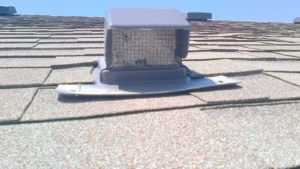
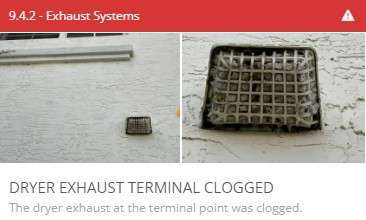
The vent should terminate outdoors with a working damper and without a screen that traps lint. The outlet should remain clear of nests, vegetation, stored items, and construction debris.
Moisture or lint staining around the termination can indicate restriction. A flap that does not open during operation may point to blockage, a disconnected duct, or weak airflow.
Cleaning and warning signs
Clean the lint screen after each load and arrange periodic duct cleaning based on use and conditions. Clothes taking longer to dry, a hot laundry room, burning odors, lint behind the dryer, or a dryer that shuts off can signal restricted airflow.
Disconnect power and stop use if overheating, scorching, or smoke occurs. Moving the dryer can damage gas connectors, wiring, or ducts, so professional service may be appropriate.
Ventless dryer options
Heat-pump and condensing dryers are designed to operate without a conventional exterior exhaust. They manage moisture differently and still require manufacturer-directed maintenance, drainage, and ventilation.
Do not convert a standard vented dryer into a ventless appliance with an improvised indoor box. Choose equipment designed and listed for the intended installation.
Warning signs that deserve prompt attention
- Long drying times or repeated cycles
- A hot dryer cabinet or laundry room
- Burning odor, scorching, or visible lint buildup
- Crushed, disconnected, or foil/plastic duct
- A gas dryer venting anywhere indoors
What a home inspection can document
A home inspector may document visible duct material, routing, disconnection, restriction clues, exterior termination, and unsafe indoor discharge. Concealed duct interiors and complete airflow are not fully evaluated during a standard inspection.
A visual inspection cannot predict every failure or replace evaluation by the appropriately licensed contractor. It can identify visible concerns, explain why they matter, and help buyers and homeowners plan qualified follow-up.
Need a clearer picture of the property?
GGR Home Inspections provides clear, photo-documented inspections across Miami-Dade, Broward, Palm Beach, and St. Lucie counties.