
Dirty Dryer Vents: Fire Risk, Warning Signs, and Cleaning
Lint and restricted airflow make dryers run hotter and longer, increasing energy use, equipment wear, moisture problems, and fire risk.
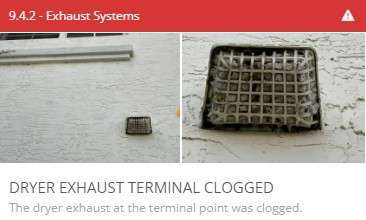
The lint screen catches only part of the material released from clothing. Fine lint enters the exhaust duct, where long runs, crushed sections, elbows, rough surfaces, and blocked exterior dampers can restrict airflow.
Recognize restricted airflow
Long drying times, very hot clothing, a hot laundry room, weak airflow outside, or repeated shutdowns can indicate restriction. Lint behind the dryer may point to a disconnected or damaged transition duct.
Do not assume a clean lint screen means the full exhaust route is clear. Concealed duct sections and the exterior termination also need attention.
Use appropriate duct materials
The transition connector should be listed for dryer use and protected from crushing. Concealed ducts should be smooth metal, properly joined, supported, and routed with minimal length and bends.
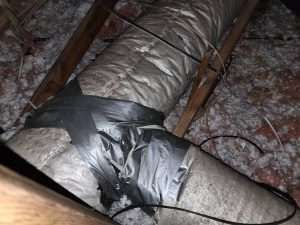
Plastic or thin foil ducts can trap lint, sag, tear, or burn. Screws projecting into the airflow can collect debris.
Check the exterior termination
The vent should discharge outdoors through a working damper without a screen that traps lint. Keep the termination clear of nests, vegetation, paint, and construction debris.
A damper that does not open while the dryer runs may indicate restriction, disconnection, or weak airflow.
Clean based on use and conditions
Clean the lint screen after every load and inspect the visible transition duct regularly. Full duct cleaning frequency depends on run length, household use, pets, and observed airflow.
Qualified cleaning is appropriate when the route is inaccessible, rooftop terminated, damaged, or heavily restricted.
Warning signs to address
- Clothes require repeated cycles
- Dryer cabinet becomes unusually hot
- Burning odor or visible scorching
- Weak exterior airflow
- Crushed, loose, or combustible duct
What a home inspection can document
A home inspector can document visible duct material, routing, disconnection, restriction clues, and exterior termination. The concealed interior of the entire duct is not fully inspected.
A visual inspection cannot predict every failure or replace evaluation by the appropriately licensed specialist. It can identify visible concerns, explain why they matter, and help buyers and homeowners plan qualified follow-up.
Need a clearer picture of the property?
GGR Home Inspections provides clear, photo-documented inspections across Miami-Dade, Broward, Palm Beach, and St. Lucie counties.



Pingback: The Cost of Duct Cleaning: Is it Worth the Investment? – GGR Home Inspections