
Practical homeowner guide
First-Time Homebuyer Checklist: 25 Tips from a Home Inspector
Plan the purchase from budget and neighborhood research through inspections, repair decisions, insurance, and the final walk-through.
A first home is both a place to live and a collection of systems that require money and attention. A disciplined process helps buyers separate cosmetic preferences from safety, durability, insurance, and major repair concerns.

1–5: Establish the real budget
Include the down payment, closing costs, insurance, taxes, association fees, utilities, immediate repairs, and an emergency reserve. Ask how flood zones, roof age, electrical systems, and prior claims may affect insurability.
6–10: Research the property
Review permits, seller disclosures, tax records, association documents, and available surveys. Visit at different times. Look at drainage, nearby traffic, utilities, shoreline or seawall exposure, and planned neighborhood work.
11–15: Choose the inspection scope
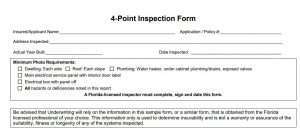
Order a full buyer inspection. Add termite/WDO, sewer camera, pool, mold or air-quality, dock or seawall, and other specialist services when appropriate. Insurance reports such as wind mitigation and 4-point do not replace the full inspection.
16–19: Participate effectively
Attend the summary when possible, ask questions without interrupting the inspection, and understand access limitations. Do not expect an inspector to predict every future failure or quote contractor prices.
20–22: Read and prioritize
Read the complete report. Group findings into safety, active damage, major systems, maintenance, and improvement items. Obtain qualified estimates for significant concerns before the contract deadline.
23–25: Finish carefully
Confirm negotiated work with receipts and permits, use reinspection when appropriate, obtain insurance approval, and complete a final walk-through. Verify utilities, appliances, agreed repairs, keys, remotes, and the condition of the property.
Frequently asked questions
Is a newer home inspection-free?
No. New and renovated homes can have installation defects, incomplete work, or damaged components.
Should buyers attend?
Attendance is useful when allowed, especially for the inspector’s summary and questions.
What if the report is long?
Length does not equal failure. Focus on significance, urgency, cost exposure, and specialist recommendations.
Related resources